

Selecting the best fence for your dog is one of the most important decisions you’ll make as a pet owner. The best containment solution keeps your dog safe while still allowing them to enjoy outdoor space. However, not all fencing options work equally well for every dog, property, or situation. Understanding how your dog’s size, behaviour, and your yard layout influence fence effectiveness is essential to making the right choice.
Why Traditional Fencing Often Falls Short
Many dog owners discover that conventional physical fences don’t solve their containment challenges as expected. While solid barriers seem like the obvious solution, they frequently create new problems or fail to address specific dog behaviours.
The “Neighbourhood Watch” Problem

Dogs are naturally curious and social animals. Traditional solid fences block their view of the surrounding environment, which can actually increase anxiety and reactivity. Dogs who can’t see what’s happening beyond their boundary often become more vocal, more stressed, and more determined to breach the fence to investigate sounds and movement they can hear but not see.
Fence-line reactivity becomes a significant issue when dogs patrol traditional barriers, barking at passersby they sense but cannot observe. This behaviour pattern often intensifies over time rather than improving.
The Escape Artist Challenge
For determined dogs, physical fences present an irresistible challenge. Common escape methods include:
- Jumping: Athletic breeds can clear surprisingly high fences, especially from elevated positions like garden beds or outdoor furniture
- Digging: Many dogs tunnel under fence lines, particularly in soft soil or mulched areas
- Climbing: Some breeds use chain-link fencing like a ladder
- Breaking through: Large, powerful dogs can force their way through weak points in aging timber or damaged panels
Each escape attempt reinforces the behaviour, making the dog more skilled and determined with each success.
The Active Dog Dilemma
Boisterous, energetic dogs often damage traditional fencing during regular play. They run into panels at full speed, scratch and chew posts, and create pressure points that weaken structural integrity. Repair costs accumulate quickly, and damaged sections become new escape opportunities.
Understanding Your Dog’s Unique Needs: A Dog Fence Guide

The best fence for dogs takes into account their specific size, temperament, and behavioural characteristics.
Small Dogs (Under 10kg)
Small breeds present unique challenges that surprise many owners. While they can’t jump high fences, they can:
- Squeeze through narrow gaps in traditional fencing
- Dig small tunnels that go unnoticed until escape occurs
- Become targets for predatory birds or larger animals if left unsupervised near open fence lines
Small dogs often have strong prey drives and will pursue wildlife through any available opening.
Medium Dogs (10-25kg)
This diverse size category includes many of Australia’s most popular breeds. Medium dogs typically combine athletic ability with intelligence, making them capable escape artists. They’re large enough to jump moderate fences, strong enough to dig effectively, and clever enough to identify and exploit weak points in physical barriers.
Large Dogs (25kg+)
Large breeds bring power and reach that traditional fencing struggles to contain. They can:
- Lean heavily against fence panels, gradually loosening posts
- Jump from standing positions without requiring a running start
- Push through gates or damaged sections
- See over many standard fence heights, increasing fence-line reactivity
Behaviour-Based Considerations
Beyond size, your dog’s personality and behaviour patterns significantly impact fence effectiveness.
Visual Reactivity: Dogs who bark at everything they see beyond the fence often experience reduced stress when visual barriers are eliminated. Without constant visual stimulation triggering reactive responses, many dogs become calmer and quieter.
Wanderlust: Some dogs have strong roaming instincts. Breeds developed for hunting, herding, or guarding may view property boundaries as suggestions rather than rules. These dogs require containment solutions that actively reinforce boundary training rather than simply presenting physical obstacles.
Social Motivation: Dogs who escape to visit neighbours, other dogs, or children need containment that works regardless of the level of distraction. The excitement of social opportunities often overrides respect for physical barriers.
Prey Drive: Dogs who chase wildlife require boundaries that function effectively even when the dog is in full pursuit mode. A split-second distraction can lead to tragedy if containment depends solely on physical barriers with exploitable gaps.
How Yard Layout Affects Fence Choices

Your property’s characteristics play a crucial role in determining the best fence for dogs.
Irregular Property Lines
Properties with unusual shapes, curves, or angles make traditional fencing installation challenging. Custom corner solutions increase costs, and irregular layouts often create weak points where panels meet at odd angles.
Sloped Terrain
Hills, drainage channels, and uneven ground make traditional fence installation difficult and expensive. Gaps can appear under fence lines on slopes, and posts require special bracing to remain stable on inclines.
Garden Integration
Many homeowners want their dogs contained while preserving garden aesthetics. Traditional fencing dominates visual space and limits landscape design options. Protecting specific garden beds within a larger yard requires additional internal barriers that further interrupt the landscape.
Existing Structures
Properties with established trees, retaining walls, pools, or outbuildings complicate traditional fence installation. Working around these features increases costs and often requires compromises that create potential escape points. For renters, the challenge is even more difficult as modifications to the property are usually not possible.
The Hidden Fence Advantage: Modern Dog Containment Solutions
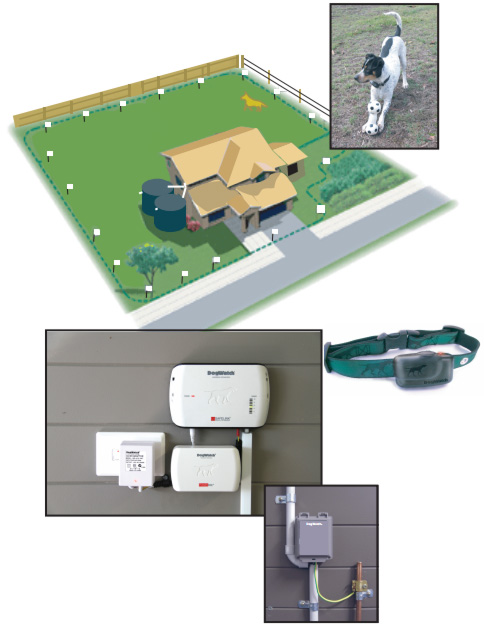
Electronic invisible fences solve many problems that traditional physical barriers cannot address. Understanding how hidden fence technology works reveals why it’s become the preferred choice for many Australian dog owners.
Hidden fence systems use underground boundary wire or wireless signals to create customised containment areas. Your dog wears a lightweight receiver collar that detects the boundary signal and provides warnings when they approach restricted areas.
How Hidden Fences Work
The system works through positive conditioning:
- As your dog approaches the boundary, the collar provides an audible warning tone
- With training, dogs learn the warning signals of their boundary
- If they continue past the warning zone, a brief, safe correction encourages them to retreat
- Through repetition, dogs internalise boundary locations and avoid them naturally
Key Benefits Over Traditional Fencing
Maintains Property Views: Hidden fences preserve sight lines across your property and beyond. Your dog can observe their environment without the frustration of blocked views, reducing anxiety and reactive behaviour.
Addresses Escape Artists: Dogs can’t jump, dig under, or break through invisible boundaries. The containment is consistent regardless of athletic ability or determination.
Protects Active Dogs and Property: Boisterous dogs can play freely without damaging fence structures or injuring themselves on physical barriers.
Customisable Layout: Hidden fences adapt to any property shape, size, or terrain. Create boundaries around irregular property lines, exclude specific garden areas, or protect pools; all with a single system.
Aesthetic Preservation: Maintain your property’s visual appeal without introducing dominant fence structures. Gardens, views, and landscape design remain uninterrupted.
Cost-Effective: Hidden fence installation typically costs significantly less than quality traditional fencing, especially on larger properties or rugged terrain.
Expandable and Adjustable: Easily modify boundaries as needs change, whether expanding your dog’s roaming area or protecting new garden features, or moving to another property.
Modern Technology: App Integration

Today’s best dog fence features innovative technology that enhances convenience and control. App-integrated systems like the DogWatch PT5 Smart Fence offer:
- Remote Monitoring: Check system status from anywhere
- Boundary Adjustments: Modify containment areas from your smartphone
- Activity Tracking: Monitor your dog’s outdoor time and movement patterns
- Alert Notifications: Receive instant alerts if your dog approaches or crosses boundaries
- Multiple Pet Management: Control settings for multiple dogs from a single interface
This technology brings traditional fence convenience into the modern era, giving you complete control and peace of mind from anywhere.
DIY Installation vs. Professional Setup
Hidden Fence offers flexible installation options to suit different comfort levels and property complexities.
DIY Hidden Fence Systems
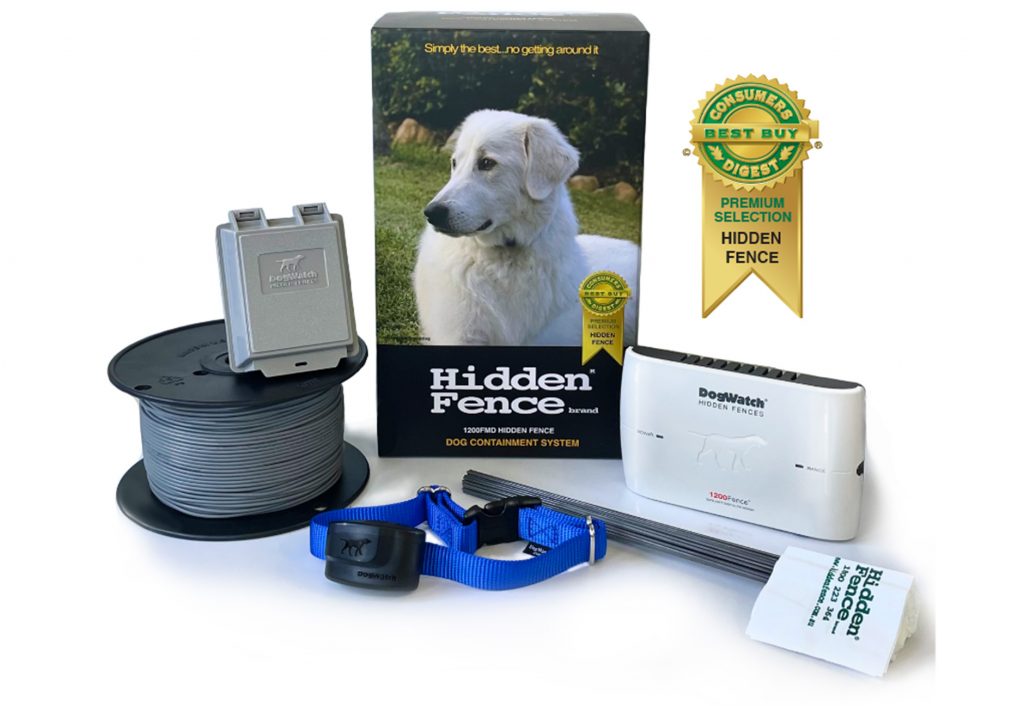
For hands-on homeowners, DIY systems provide:
- Significant cost savings on installation labour
- Flexibility to work on your own schedule
- Satisfaction of completing the project yourself
- Comprehensive instructions and support resources
- All necessary equipment is included in one package
DIY installation works well for:
- Standard residential properties without unusual obstacles
- Owners comfortable with basic tools and outdoor projects
- Properties where the boundary wire can follow straightforward paths
- Budget-conscious families who can invest time rather than money
Professional Installation Services
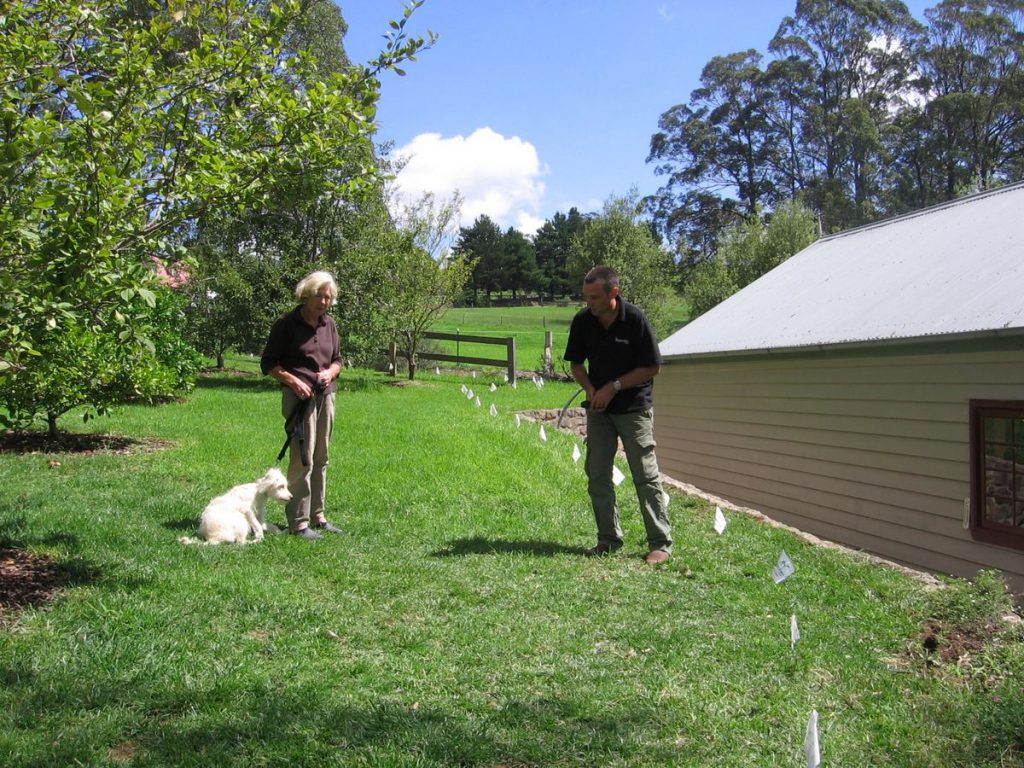
Professional installation offers:
- Expert assessment of your property’s unique characteristics
- Optimal boundary layout design
- Experienced wire placement that avoids underground utilities
- Proper connection and testing of all system components
- Comprehensive training sessions for you and your dog
- Ongoing support and system adjustments
Professional installation suits:
- Complex properties with challenging terrain or obstacles
- Owners who prefer expert guidance throughout the process
- Situations requiring precise placement around pools, gardens, or structures
- Families who value time savings over cost savings
Both options deliver the same quality containment. The choice depends on your personal preferences, available time, and the property’s complexity.
Sizing Your System to Your Dog
Recommended products

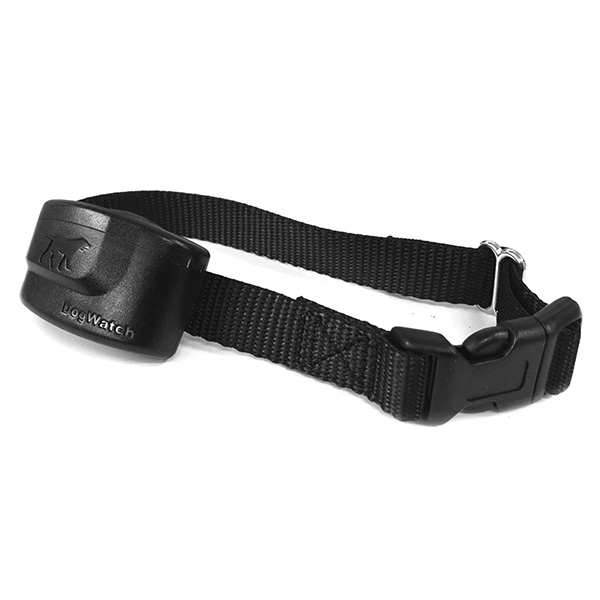
This dog fence guide wouldn’t be complete without addressing how different dog sizes interact with hidden fence systems.
Small Breed Considerations
Hidden fences excel for small dogs because:
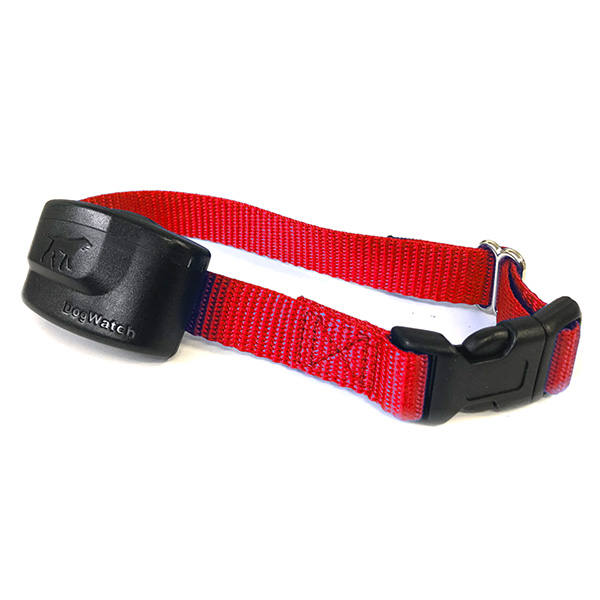
- Collar receivers come in sizes appropriate for tiny necks
- Correction levels adjust to suit sensitive, smaller dogs
- Boundaries prevent small dogs from squeezing through gaps that physical fences might leave
- Protection from predators is enhanced by training dogs to stay within safe zones away from property edges
Large Breed Effectiveness
Contrary to common misconceptions, hidden fences work exceptionally well for large dogs:
- Large, athletic dogs that easily jump traditional fences respect trained boundaries
- Strong dogs who damage physical fences through play cannot harm invisible boundaries
- Powerful breeds that force through weak points in traditional fencing find no physical barrier to break
- Systems adjustable to appropriate correction levels for different dog temperaments
The key is proper training, which works equally well across all sizes when implemented correctly.
Making Your Decision: Finding the Best Fence for Dogs
When evaluating containment options, consider these questions:
- Does your dog exhibit fence-line reactivity or anxiety when blocked views are present?
- Has your dog successfully escaped traditional fencing in the past?
- Is your dog very active or boisterous in the yard?
- Does your property have irregular boundaries, slopes, or obstacles?
- Do you want to protect specific garden areas while allowing broader yard access?
- Is maintaining property aesthetics important to you?
- Would you benefit from smart technology and app control?
If you answered yes to any of these questions, hidden-fence technology is likely to offer advantages over traditional fencing in your specific situation.
Getting Started with Hidden Fence
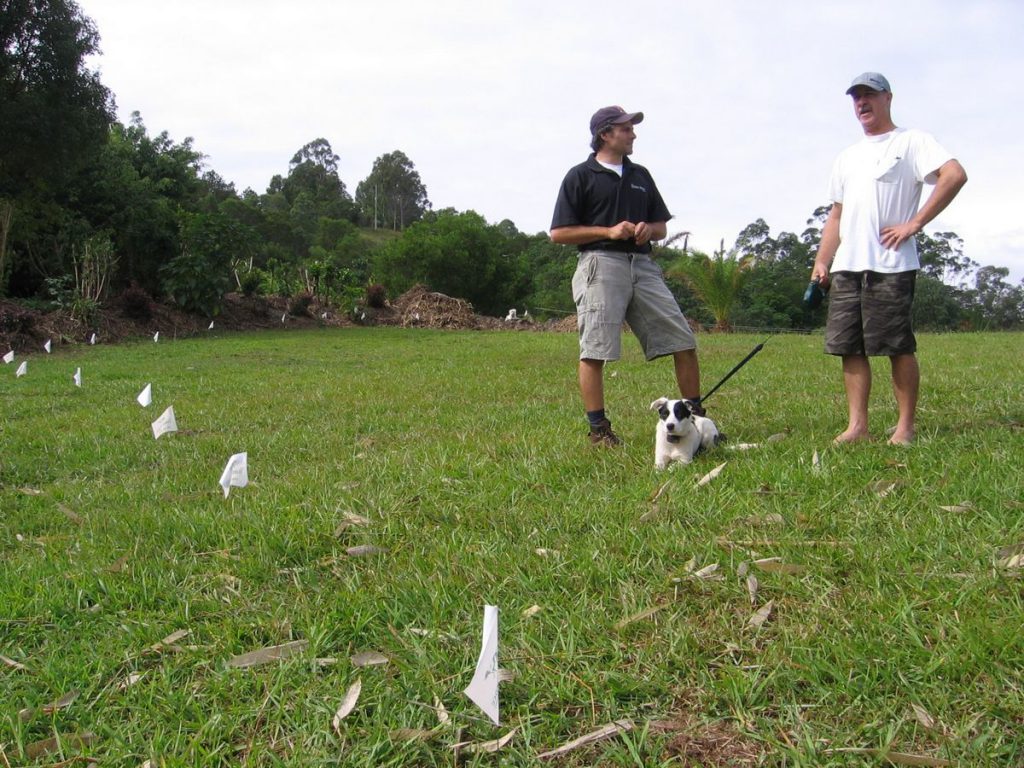
Hidden Fence makes it easy to install the best fence for your dog. Whether you choose DIY installation or professional installation, you’ll receive:
- High-quality, weather-resistant equipment
- Comprehensive training materials and support
- Adjustable settings to suit your dog’s temperament
- Expandable systems that grow with your needs
- Ongoing customer support and resources
Visit https://hiddenfence.com.au/shop/ to explore hidden fence options, compare DIY and professional installation packages, and find the perfect containment solution for your dog’s size, behaviour, and your property layout.
The best fence for dogs balances safety, freedom, and quality of life. Hidden fence technology delivers all three, adapting to your unique circumstances while providing reliable containment that traditional fencing often cannot match.
Your dog deserves outdoor time without the frustration of blocked views, the danger of escape, or the limitations of inadequate barriers. Modern electronic invisible fences create safe boundaries that work with your dog’s natural behaviour rather than against it, resulting in happier dogs and more confident owners.
Choose the containment solution that addresses your specific challenges. Consider your dog’s size, behaviour, and personality alongside your property’s layout and your aesthetic preferences. With hidden fence technology, you’re not settling for one-size-fits-all solutions; you’re creating customised protection tailored to your family’s needs.