
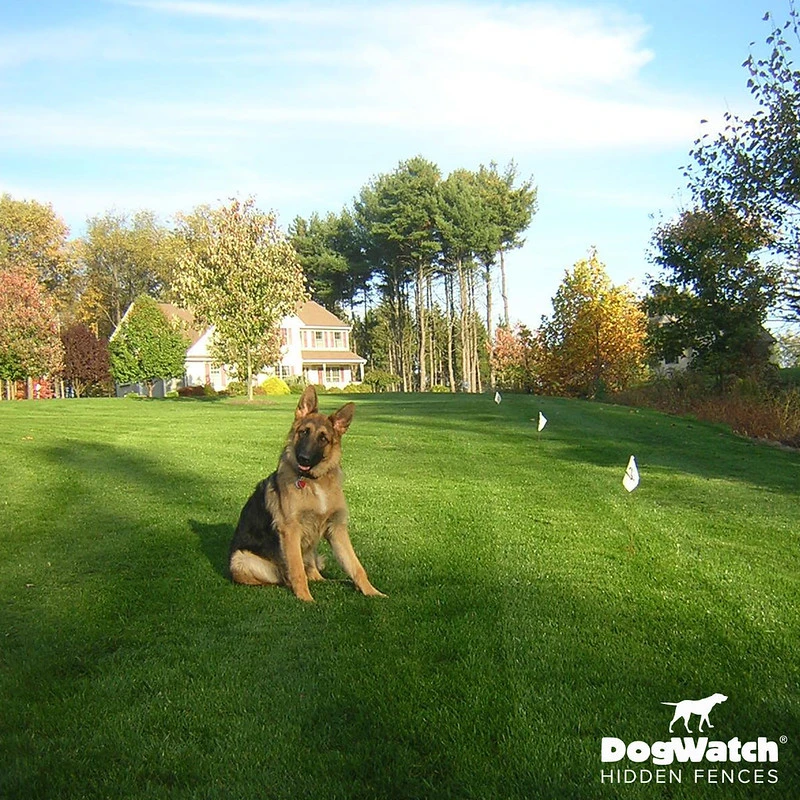
A hidden fence containment system is an effective way to give dogs freedom while keeping boundaries well-designated. However, the system itself is only part of the solution. Whether you choose professional hidden fence installation or a DIY approach, long-term success depends on two equally important elements: how the system is installed and how your dog is trained to understand it.
Understanding How a Hidden Fence Works
At its core, a hidden fence containment system creates an underground boundary that communicates with your dog’s collar via a transmitter. As your dog approaches the boundary, they receive a warning cue, followed by a correction if they continue forward. Over time, dogs learn to recognise and respect these invisible boundaries.
For a detailed explanation of the technology behind hidden fences, you can read more here:
https://hiddenfence.com.au/hidden-fence-works/
Installation Sets the Foundation
Whether installed professionally or by the owner, installation is the foundation of the system’s performance.
A well-installed hidden fence containment system involves:
- Thoughtful boundary layout suited to the property
- Smooth transitions around corners and access points
- Clearly defined inclusion and exclusion zones
- Consistent signal strength along the entire perimeter
Professional installation by Hidden Fence includes on-site assessment and experience-driven design, while DIY installations allow hands-on owners to customise the layout themselves. In both cases, careful planning is what ensures the system behaves predictably and is easy for your dog to learn.
Training Is Where the System Comes to Life
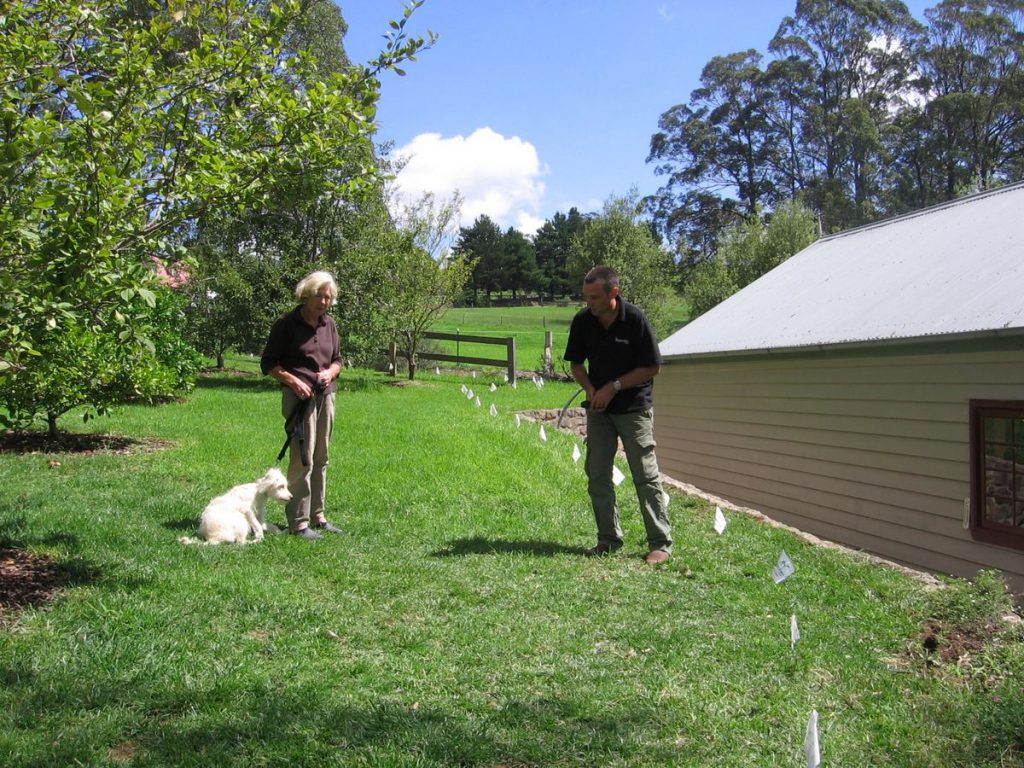
Training is what transforms a hidden fence containment system from components and technology into a practical, everyday solution.
Regardless of installation method, training focuses on:
- Teaching your dog where the boundary is
- Helping them recognise warning cues
- Building confidence through repetition and clarity
- Reinforcing safe behaviour at the perimeter
Most training programs use flag training, where visual markers are placed along the boundary and any exclusion zones. These flags give dogs a clear reference point during the learning phase and are gradually removed once understanding is established.
Training for Both You and Your Dog
Training isn’t just for dogs. Owners also learn:
- How the system works day to day
- How to fit and adjust collars correctly
- How to reinforce boundaries calmly and consistently
- When and how to make small adjustments if needed
This shared understanding helps ensure the hidden fence containment system is used confidently and correctly over time.
Ongoing Support and Fine-Tuning
As dogs become more familiar with the boundary, minor adjustments may be beneficial. Some owners prefer professional follow-up support, while others are comfortable managing adjustments themselves.
The key is recognising that learning is a process. A hidden fence containment system works best when installation and training are viewed as ongoing, not one-off steps.
The Complete Hidden Fence Approach
A successful hidden fence solution brings together:
- A quality hidden fence containment system
- Careful installation, whether professional or DIY
- Structured training for your dog
- Ongoing attention to your dog’s progress
When these elements work together, the result is clearly defined boundaries, confident dogs, and reliable containment.
A hidden fence is only half the solution. Installation and training are the other half — and they’re what turn a hidden fence containment system into a dependable part of everyday life.
By understanding how the system works and committing time to proper installation and training, dog owners can achieve safe, consistent, and long-lasting results that suit their property, lifestyle, and dog’s needs. Contact us to discuss your property and your dog’s needs.